Salad Bowl Benefits for Easy, Satisfying Meals

Salad Bowl Benefits for Easy, Satisfying Meals

A good lunch should do more than look fresh. It should carry you through the afternoon without leaving you hungry an hour later. That is where salad bowl benefits really show up: a well-built bowl can bring together crisp vegetables, satisfying protein, filling grains, and a dressing you genuinely want to eat.

For busy workdays, warm afternoons, family lunches, or a quick meal between errands, a salad bowl is often one of the simplest ways to enjoy real food without a lot of planning. The key is to think of it as a complete meal, not just a pile of leaves on the side.

Salad Bowl Benefits That Matter at Mealtime

The biggest benefit is flexibility. A salad bowl can be light and refreshing when the weather is warm, or substantial enough for dinner when it includes protein, healthy fats, and a satisfying base. You can build one around what you enjoy and what is available, rather than following one strict recipe.

Fresh vegetables add color, crunch, and variety to a meal. Tomatoes, cucumber, carrots, peppers, greens, cabbage, herbs, and roasted vegetables all bring different flavors and nutrients. Eating a wider range of vegetables can also make everyday meals feel less repetitive, especially when lunch tends to become a rushed habit.

A balanced salad bowl can help with steady energy, too. Greens and vegetables alone may be refreshing, but they may not be enough to keep you full. Add chicken, tuna, eggs, beans, lentils, cheese, tofu, or another protein, then include a source of carbohydrates such as quinoa, rice, potatoes, pasta, or chickpeas. This combination is more likely to feel like a proper meal and less like something you need to replace with snacks later.

Fiber is another reason salad bowls work so well. Vegetables, beans, whole grains, nuts, seeds, and fruit all contribute fiber, which supports regular digestion and helps meals feel more filling. The exact amount that feels comfortable depends on the person. If you do not usually eat many high-fiber foods, increasing them gradually and drinking enough water can be easier on your stomach.

There is also a practical benefit that gets overlooked: salad bowls make portions visible. You can see whether your meal has a good mix of vegetables, protein, and more filling ingredients before you start eating. There is no need to measure every bite, but a bowl makes it easier to build a meal with intention.

Why a Salad Bowl Can Be a Better Lunch Choice

Lunch needs to fit real life. It may be eaten at a desk, picked up between appointments, shared at home, or enjoyed after a morning at the beach. A salad bowl is easy to adapt to all of those moments because the ingredients can be prepared ahead and assembled quickly.

It also gives you more control than many grab-and-go meals. If you need something lighter, choose plenty of vegetables with grilled protein. If you have had an active morning or know dinner will be late, add grains, beans, avocado, or a piece of bread. There is no single perfect bowl. The best choice depends on your appetite, activity, and what helps you feel satisfied.

For families, bowls can take pressure off lunchtime. Set out a few familiar ingredients and let each person choose their own mix. One person may prefer chicken and cucumber, while another wants corn, cheese, and a little dressing. The shared meal is still simple, but everyone gets a plate they will actually eat.

A salad bowl can be useful when you are trying to include more vegetables without making food feel restrictive. The aim is not to turn every meal into a health project. It is to make fresh ingredients enjoyable enough that you look forward to them. Creamy feta, roasted chicken, a spoonful of hummus, crunchy seeds, or a bright lemon dressing can make a big difference.

The Difference Between a Side Salad and a Meal Bowl

A small side salad has its place, but it is not always built to replace lunch. Lettuce, cucumber, and tomato are fresh and welcome, yet they can leave you hungry quickly if there is no protein, fat, or substantial carbohydrate alongside them.

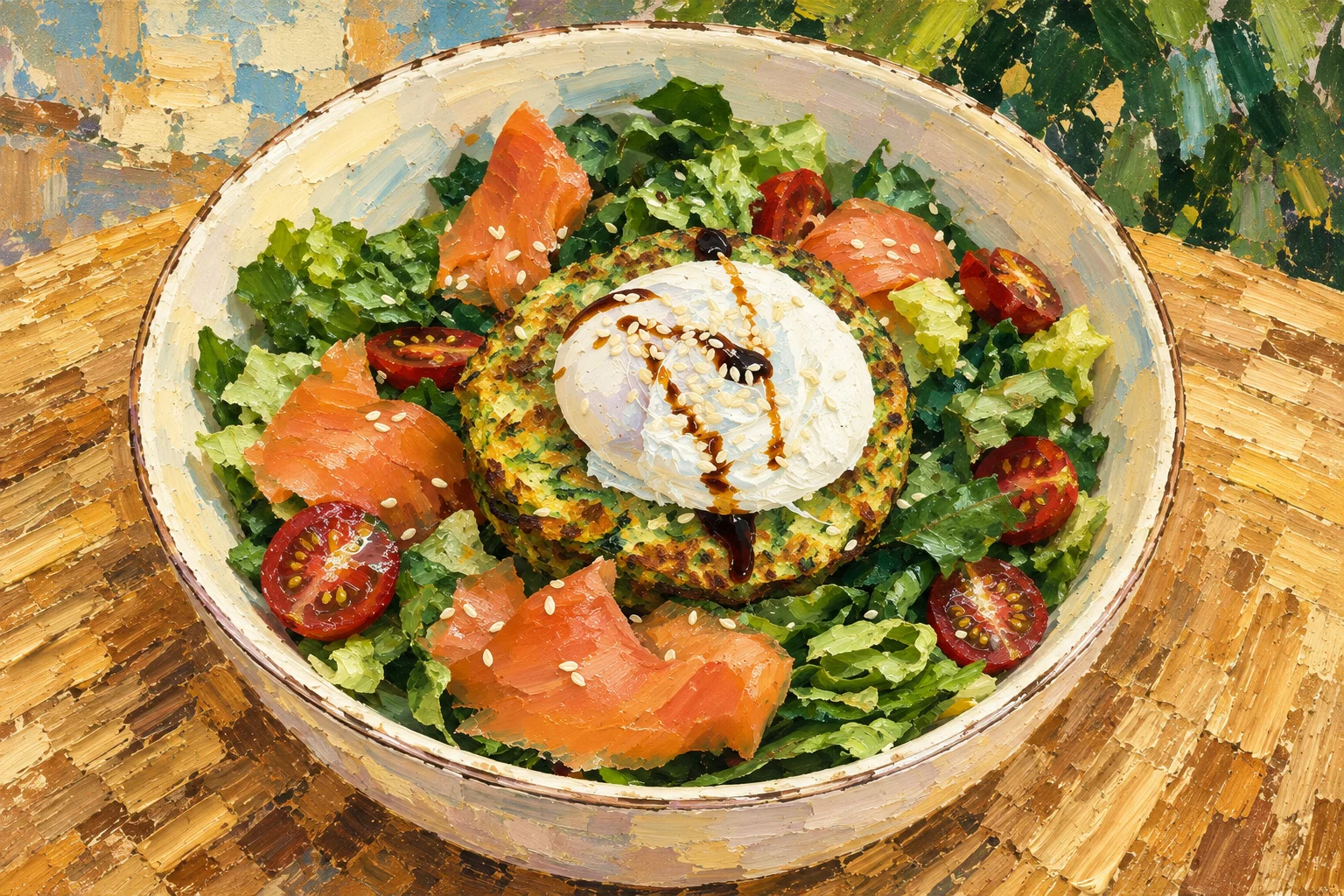
A meal bowl has a little more structure. Start with vegetables, then add a protein, a satisfying base, and a dressing or topping that brings it together. This is what turns a salad from an afterthought into food that can carry you through a busy day.

How to Build a Bowl That Keeps You Full

Start with a base you enjoy. Leafy greens are a classic choice, but they are not the only one. Mixed greens, shredded cabbage, spinach, romaine, or a combination of greens and grains all work. If raw leaves are not your favorite, try roasted vegetables, warm rice, lentils, or potatoes as part of the base.

Next, choose a protein. Chicken, turkey, eggs, fish, beans, chickpeas, lentils, cheese, and tofu can all work well. Protein matters because it helps make the bowl more satisfying, particularly at lunch. A small amount may be enough for a light meal, while a larger serving may suit a more active day.

Then add color and texture. Think juicy tomatoes, crisp cucumber, sweet corn, grated carrot, peppers, olives, pickled vegetables, fresh herbs, or fruit. A bowl with several textures is usually more enjoyable than one that is all soft or all crunchy.

Finish with something that adds staying power. Avocado, olive oil dressing, nuts, seeds, cheese, tahini, or hummus can add flavor and richness. These ingredients are useful, but portion still matters. A very heavy dressing or a large amount of cheese can quickly overpower the vegetables. You do not have to avoid them - just use enough to make the meal delicious.

Four Easy Bowl Combinations

When you need ideas, these combinations are easy to remember:

  • Grilled chicken, mixed greens, cucumber, tomato, corn, feta, and a light lemon dressing.
  • Tuna, white beans, roasted peppers, olives, greens, and a little olive oil and vinegar.
  • Chickpeas, quinoa, carrot, cabbage, cucumber, herbs, hummus, and toasted seeds.
  • Roasted vegetables, warm potatoes, egg, greens, and a yogurt-based dressing.

These are starting points, not rules. Use what you have, swap ingredients for your preferences, and do not worry if every bowl looks different.

A Few Trade-Offs to Keep in Mind

Salad bowls are not automatically healthier simply because they contain greens. A bowl loaded with fried toppings, creamy sauces, and very little protein may be less satisfying than it looks. On the other hand, a bowl that is too small or too low in calories can leave you tired and searching for food soon after.

Fresh ingredients also need care. Wash produce well, keep cold ingredients chilled, and avoid leaving meals with chicken, eggs, fish, or dairy out in the heat. If you are packing a bowl for later, keep dressing separate when possible. That helps the leaves stay crisp instead of soggy.

People with allergies, food sensitivities, or specific health needs may need to choose ingredients carefully. Nuts, dairy, gluten-containing grains, and certain dressings are common concerns. A simple bowl is easy to personalize, which is one of its strongest points.

At Home Cafe, a freshly prepared salad or bowl can be a practical answer when you want a meal that feels lighter but still feels like lunch. Choose the ingredients and flavors that suit your day, then make room for the parts you enjoy most.

The most useful salad bowl is not the one that follows a trend. It is the one you will happily eat again: fresh, filling, and ready when you need it.