Frozen Food Storage That Keeps Meals Ready

Frozen Food Storage That Keeps Meals Ready

A freezer can be the answer to a late workday, an unexpected guest, or the familiar question of what is for dinner. Good frozen food storage means those answers stay easy: food is safe, packages are easy to find, and the meal you chose still tastes like a meal when it reaches the table.

The goal is not a perfectly styled freezer. It is a freezer that works for your household. A little space, a clear system, and a few simple habits can turn frozen meals, vegetables, bread, and treats into dependable everyday help.

Start With the Right Freezer Temperature

Keep your freezer at 0°F or below. At this temperature, food remains safely frozen and quality holds up much better over time. If food has softened because the freezer door was left open or there has been a power outage, check it before using it. Food that still has ice crystals and feels refrigerator-cold may be safe to refreeze, although the texture may not be as good.

A small freezer thermometer is useful, especially if your appliance is older or often full. The display on the freezer is helpful, but a thermometer tells you what the food is actually experiencing.

Try not to overfill every shelf. A reasonably full freezer holds its temperature well, but packed solid means cold air cannot move around the food. Leave enough room for air circulation and for finding what you need without keeping the door open for too long.

Organize Frozen Food Storage by How You Eat

The most practical freezer is organized around real meals, not perfect categories. Think about what your family reaches for on busy evenings, workday lunches, slow weekend mornings, and those nights when cooking from scratch is simply not on the plan.

Set aside a clear area for ready-made meals, another for proteins or main dishes, and a section for vegetables, bread, or breakfast items. If you keep ice cream or desserts at home, give them their own spot too. This prevents a quick search for dinner from becoming a hunt through frozen peas and pastry.

Baskets or open bins make this easier, particularly in a chest freezer. Label them in plain language: “dinners,” “breakfast,” “vegetables,” or “treats.” In an upright freezer, use shelves in the same way. Keep the foods you use most often at eye level or near the front.

One small rule makes a big difference: new items go behind older ones. This first-in, first-out approach helps you enjoy food while it is at its best and reduces forgotten packages at the bottom of the freezer.

Keep a Simple Freezer List

You do not need an elaborate spreadsheet to know what is available. A note on the fridge, a whiteboard, or a list on your phone can be enough. Write down meals and key staples as they go in, then cross them off when they are used.

This is especially helpful for households that order frozen meals for delivery. Seeing that you already have two easy dinners, soup, and breakfast pastries can save you from ordering too much or making another grocery trip when you do not need one.

Protect Food From Freezer Burn

Freezer burn does not usually make food unsafe, but it can make it dry, tough, or bland. It happens when food is exposed to air and loses moisture. The best protection is simple: use packaging that closes tightly and remove as much air as you can before freezing.

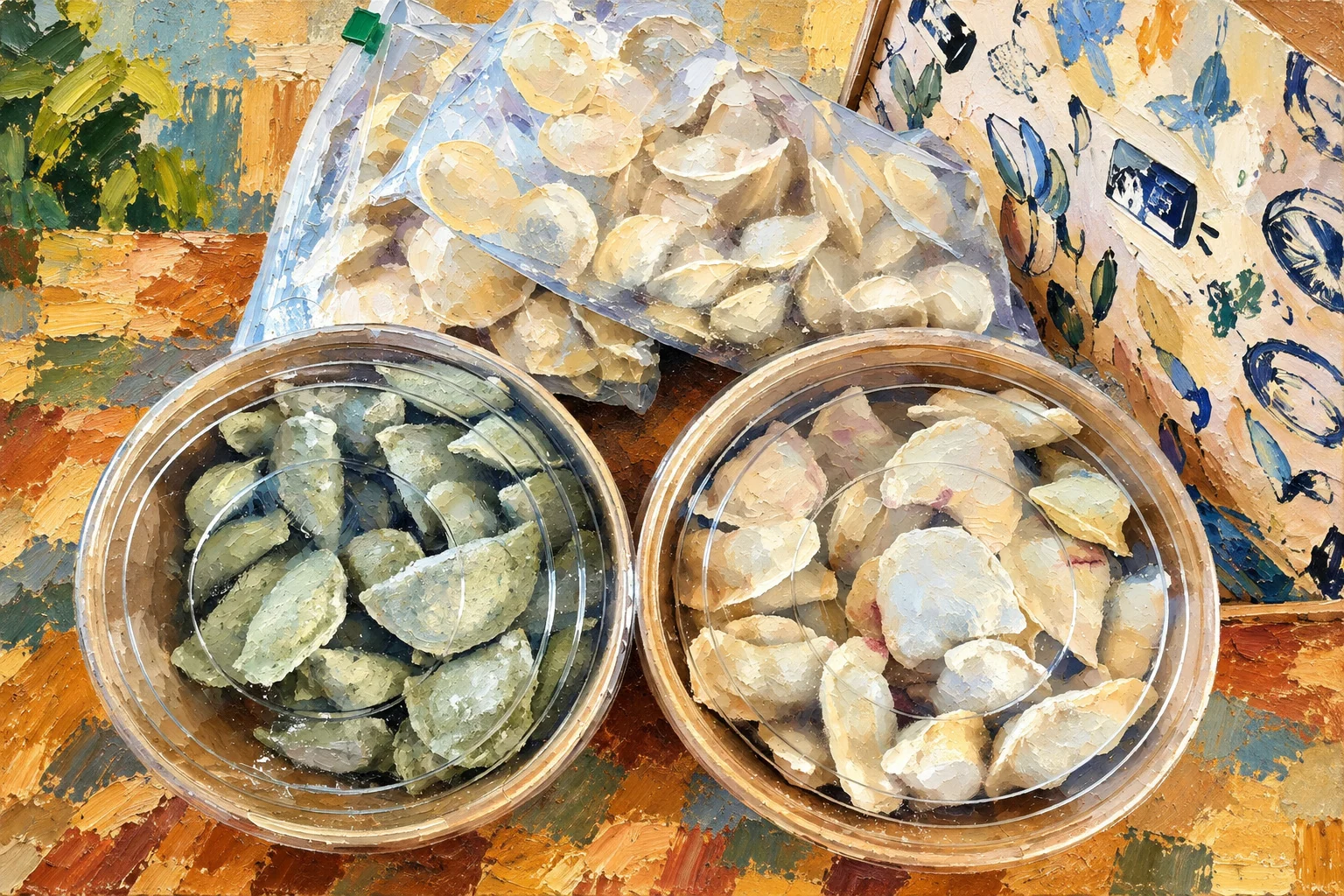
Store homemade food in freezer-safe containers or heavy freezer bags, not thin produce bags or loosely covered bowls. Press air from bags before sealing them. For meals in containers, leave a little room at the top because liquids expand as they freeze, then fit the lid securely.

If you open a large package and will not use it all at once, divide it into meal-sized portions. Smaller portions freeze faster, thaw more evenly, and keep you from repeatedly opening and closing the same package. This works well for cooked rice, sauces, soups, shredded meat, and sliced bread.

Label every homemade item with the name and date. It sounds obvious, but frozen tomato sauce and frozen soup can look remarkably similar after a few weeks. A short label avoids guesswork and makes dinner decisions quicker.

How Long Can Frozen Foods Stay Good?

When food stays continuously frozen at 0°F or below, it remains safe for a long time. The dates below are mainly about flavor and texture. For the best experience, use ready-made meals, cooked leftovers, and most cooked meat dishes within about two to three months. Frozen vegetables and fruit are often best within eight to 12 months, while bread usually tastes freshest within two to three months.

Package instructions should always come first. Some products are designed for longer freezer storage, while others are best enjoyed soon after purchase. If a meal has been stored for longer than planned, inspect the package. Heavy frost inside, damaged wrapping, unusual color, or a dried-out appearance may mean the quality has declined.

Do not let a date become a reason to waste good food automatically. A properly frozen meal may still be perfectly enjoyable. It depends on the ingredient, how well it was sealed, and how steady your freezer temperature has been.

Freeze Meals Quickly and Thaw Them Safely

When freezing cooked food, let steam escape briefly so it stops being piping hot, then package and refrigerate or freeze it promptly. Do not leave food on the counter for hours waiting for it to cool completely. Large pots of soup or sauce are better divided into shallow containers so they cool and freeze faster.

For thawing, the refrigerator is the easiest and safest choice. Move tomorrow’s dinner from the freezer to the fridge the night before, then heat it thoroughly when you are ready to eat. If time is short, use the microwave defrost setting or cook certain foods directly from frozen when the package directions allow it.

Avoid thawing food on the kitchen counter. The outside can warm into an unsafe temperature range while the center is still frozen. If you thaw food in cold water or the microwave, cook it right away.

Reheat prepared meals until they are hot all the way through. Stir soups, sauces, and microwave meals halfway through heating when possible, because the center and edges do not always warm at the same speed. A meal should be steaming hot, not merely warm around the edges.

Make the Freezer Part of Your Weekly Plan

Frozen food is most useful when it fills the gaps in a real week. Keep a few meals for nights when everyone gets home late, a couple of flexible sides for lunch, and something easy for breakfast or dessert. Then you are not relying on the freezer for every meal, but it is always there when life becomes busy.

It helps to balance convenience with variety. A freezer full of only one kind of meal may be easy to organize, but it can feel limiting after a week. Choose a mix of comforting favorites, lighter options, vegetables, and foods that can be paired with a simple fresh salad or bread.

For local households, Home Cafe’s frozen ordering service offers a practical way to keep familiar, home-style meals close by. Order what suits your week, make space for it when it arrives, and keep the oldest meals near the front so they are ready when you need them.

A Quick Monthly Freezer Reset

Once a month, take five minutes to look through what is there. Move older items forward, remove empty boxes, check for damaged packaging, and update your list. Wipe up spills before they freeze hard and make sure the door closes properly.

This small reset is also a good time to plan a “freezer dinner” using what you already have. Pair a stored main dish with fresh vegetables, a quick salad, or warm bread. It clears room without making dinner feel like an afterthought.

A well-kept freezer gives you more than extra food at home. It gives you a calmer answer when the day runs long: dinner is already waiting.