At 6:15 p.m., hunger has a way of making every option feel harder than it should. The fridge may have ingredients, but not a plan. Someone is tired, someone is late, and cooking from scratch can suddenly feel like one more job. This guide to convenient weeknight meals is about making dinner easier without settling for food that feels rushed, repetitive, or forgettable.
Convenience does not have to mean eating the same thing every night or relying on snacks to fill the gap. A good weeknight meal is one that fits the time, energy, and people around your table. Some nights, that means a fresh hot dish picked up on the way home. Other nights, it means a freezer meal you can heat while the kids finish homework. The goal is simple: real food, ready when you need it.
What Makes a Weeknight Meal Convenient?
A convenient dinner is not only about how fast it reaches the table. It should also remove decisions. When you know what is available, how long it takes, and whether everyone will enjoy it, the evening feels calmer before you even eat.
The best options usually have three things in common: they are easy to order or prepare, satisfying enough to count as a proper meal, and flexible enough for real life. A salad or bowl can be exactly right after a warm day. A homemade-style hot meal may be better when you want comfort. Dessert, fruit, or a scoop of ice cream can turn an ordinary Tuesday into a small treat.
There is a trade-off, of course. Cooking every meal from raw ingredients may give you more control, while ready-made food gives you back time and energy. Neither choice is better every day. A practical routine makes room for both.
Build Your Guide to Convenient Weeknight Meals Around Three Options
The easiest households do not depend on one dinner solution. They keep a small rotation of fresh meals, freezer favorites, and simple backup foods. That mix prevents the familiar question of what to eat from becoming a daily problem.
1. Choose fresh meals for the busiest evenings
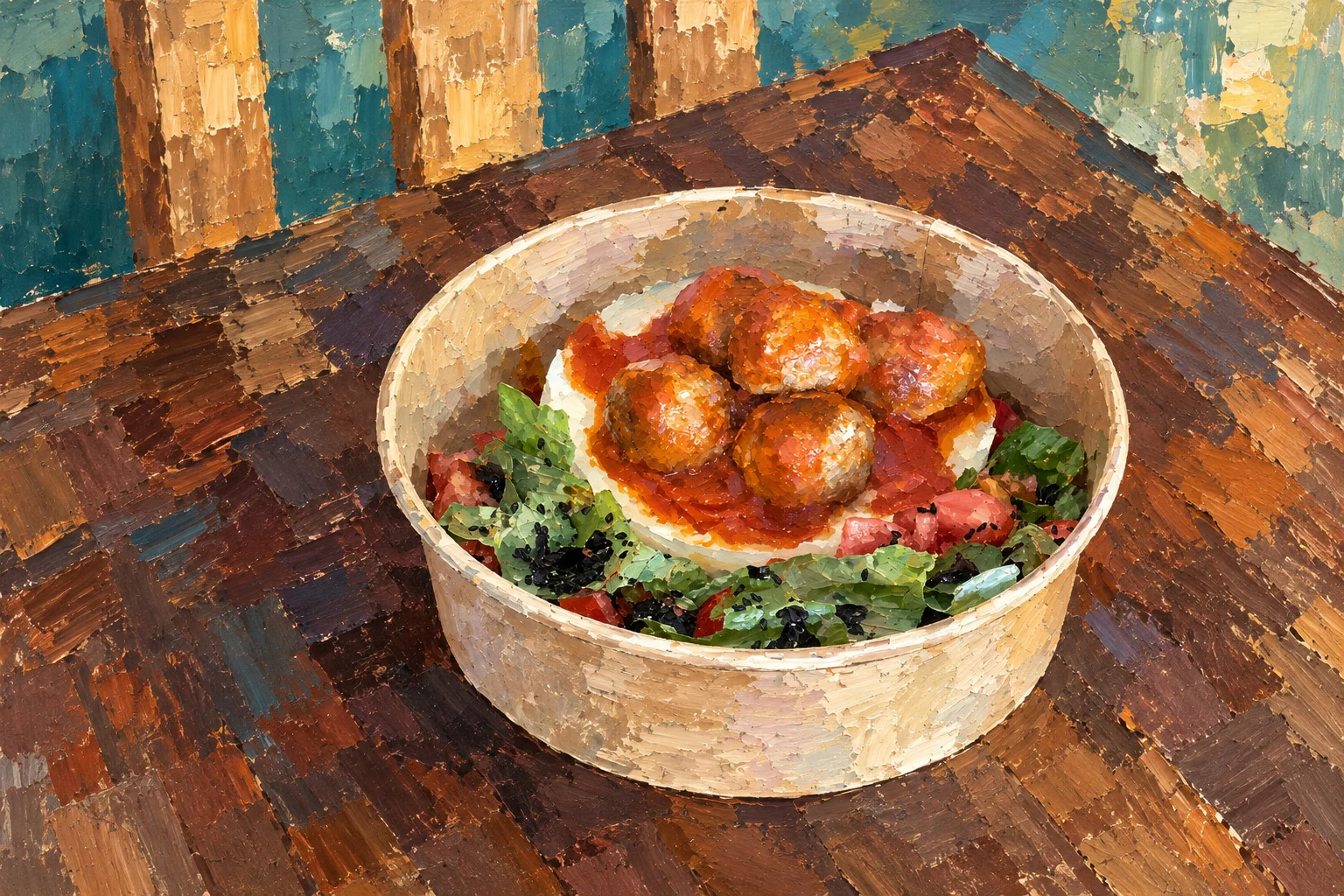
Fresh takeaway is often the best answer when the day has already taken more than expected. It works especially well after work, errands, appointments, or a long drive home. You can choose a hot dish, a filling salad, or a bowl that suits the mood and the weather without spending another hour in the kitchen.
Think about portion needs before ordering. One person may want a lighter meal, while another needs something hearty. Ordering a mix of dishes can make dinner feel more personal than cooking one large meal that only partly suits everyone. Add a dessert when it makes sense, but do not feel that every dinner needs extra steps to feel complete.
For residents and visitors around Polis Chrysochous, Home Cafe offers a useful local answer to this kind of evening: familiar food, takeaway, and delivery designed around everyday eating rather than a formal night out.
2. Keep frozen meals for the nights you cannot predict
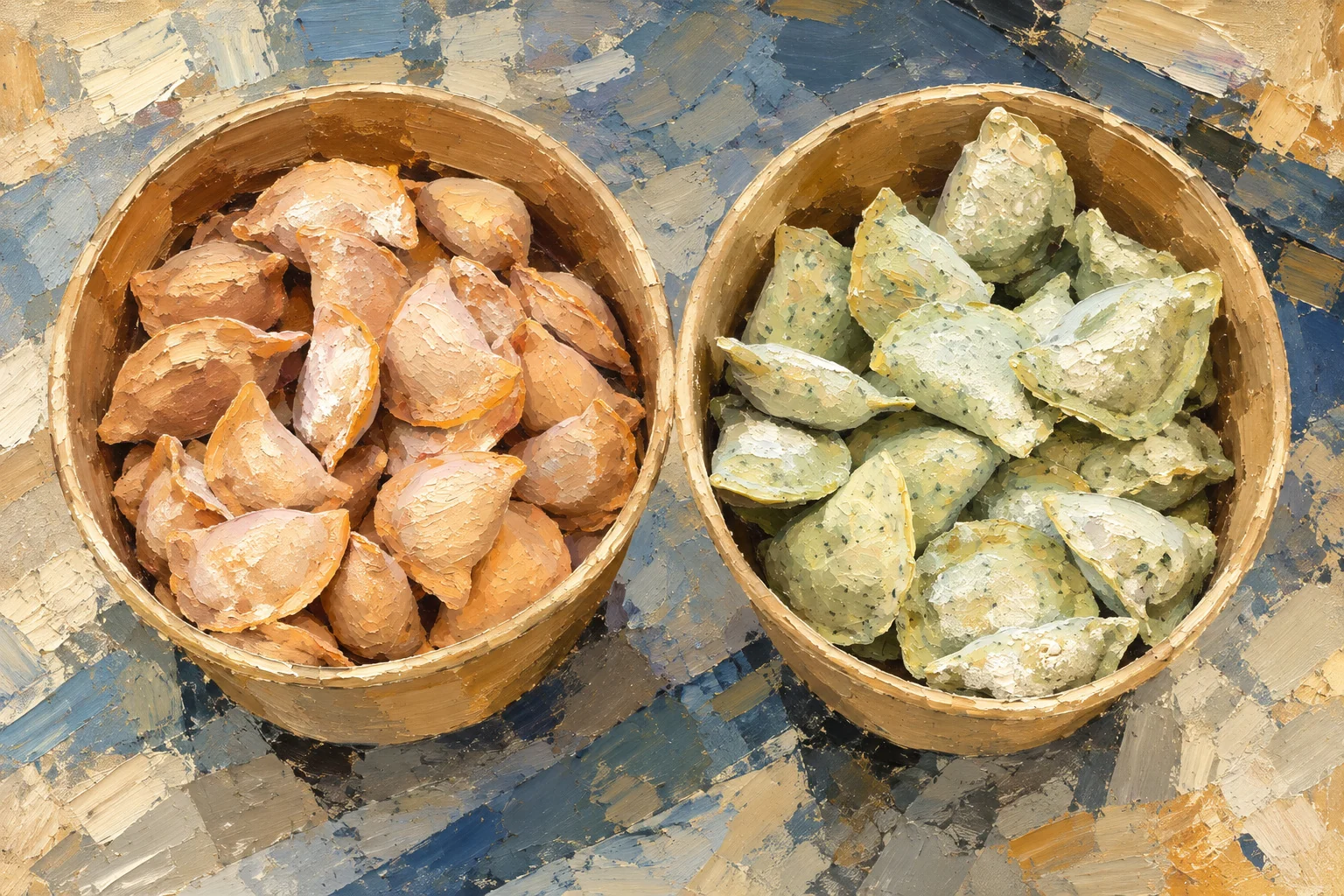
Frozen food is not a last-resort option when it has been chosen well. It is a practical way to keep dependable meals nearby for late workdays, unexpected guests, rainy evenings, or the moment you realize there is nothing ready for dinner.
The key is to stock food you will genuinely want to eat. Choose a few meals your household already enjoys rather than filling the freezer with random items that sit there for months. A small selection is easier to manage and makes deciding quicker.
Frozen meals are also useful when your schedule changes from week to week. If you travel, work shifts, care for family, or share a home with people who eat at different times, having meals ready to heat can reduce waste. You can use exactly what you need instead of buying ingredients for a recipe that may never happen.
Keep a note on the freezer door or in your phone with what is available. It sounds basic, but it stops you from ordering food unnecessarily on the nights when you already have a good dinner at home.
3. Use simple sides to make dinner feel finished
A ready-made main dish does not need a complicated supporting cast. Keep a few easy sides on hand: a green salad, fresh tomatoes, bread, fruit, yogurt, or a bag of vegetables that can be quickly warmed. These foods add freshness and make a meal go further without creating more work.
This approach is especially helpful for families. If the main dish is something everyone likes, you can adjust the table with sides. A child who wants plain bread, an adult who wants salad, and someone who needs a larger portion can all eat from the same general meal without separate cooking.
Plan for Energy, Not Perfection
Many dinner plans fail because they are made for an ideal week. They assume everyone gets home on time, the kitchen is organized, and there is energy to chop, cook, and clean up. A useful plan starts with the week you actually have.
Look at the next five evenings and identify the two most demanding ones. Those are your ready-meal nights. Decide in advance whether you will order fresh food, pick something up, or use a frozen meal. This does not mean every other night must involve full cooking. It simply gives the hardest evenings a clear answer before they arrive.
Then leave room for flexibility. If you planned to cook but the day runs long, changing course is not failing the plan. It is using it. Convenience works best when it lowers pressure instead of creating a new standard to meet.
A helpful rhythm might include one fresh takeaway night, one frozen-meal night, one simple meal from home, and a couple of nights left open for whatever the week brings. It depends on your household, budget, and routine, but variety matters more than strict rules.
Make Ordering and Reheating Part of the Routine
The fastest dinner choice is usually the one you have already made easier. Save the phone number for a trusted local food provider. Know which meals your family tends to enjoy. Keep freezer space clear enough that you can see what is there. These small habits matter more than elaborate meal plans.
If you order takeaway, place the order before everyone is extremely hungry whenever possible. A quick call while you are leaving work or finishing an errand can make the evening feel much less rushed. When delivery is available, use the waiting time well: set the table, put drinks in the fridge, or simply take ten minutes to settle in.
For frozen meals, read heating instructions before you are tired. Some meals need time to thaw, while others are made to cook directly from frozen. Add the expected cooking time to your evening plan, especially if you are feeding children or guests. The convenience is still there, but it works better when you avoid discovering at 7:30 that dinner needs another 40 minutes.
Choose Food That Feels Worth Coming Home To
Convenient food should still be food you look forward to. That is the difference between merely getting through dinner and enjoying it. Homemade flavors, balanced portions, warm dishes, crisp salads, good coffee for an early evening catch-up, and a favorite dessert all have a place in a practical routine.
It also helps to treat convenience as care. Ordering food for the family after a difficult day is not laziness. Keeping frozen meals stocked is not poor planning. It is a way to make sure people are fed, time is protected, and the evening has room for something besides cooking and cleanup.
Tonight, choose the option that gives you the most breathing room. A meal does not need to be complicated to feel comforting, and a calmer dinner can be the best part of a busy weeknight.